
Description
Costa Rica Mushrooms
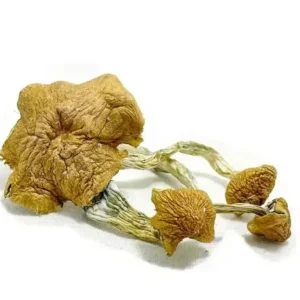
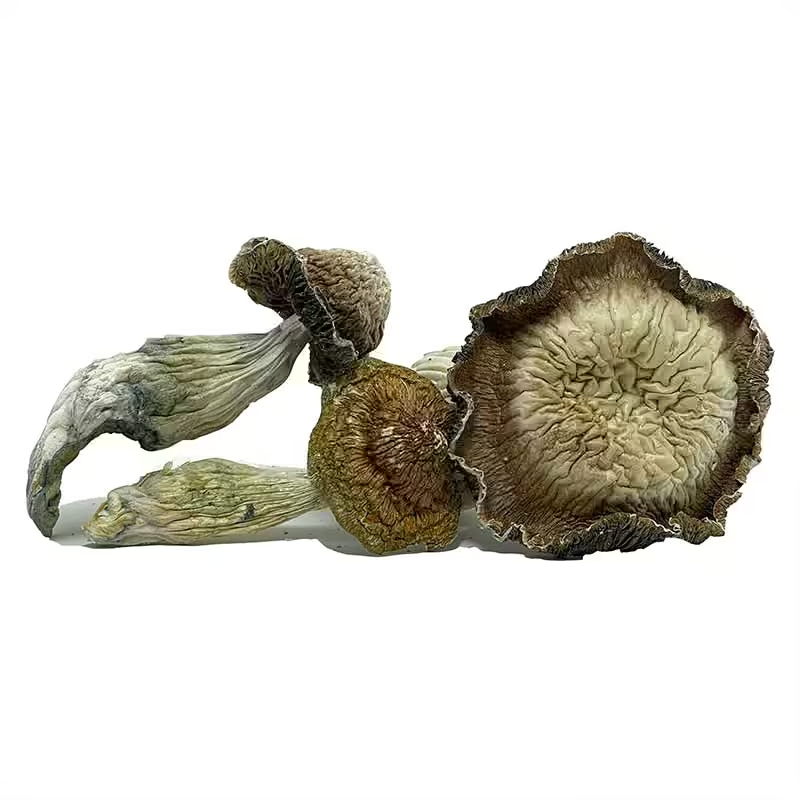
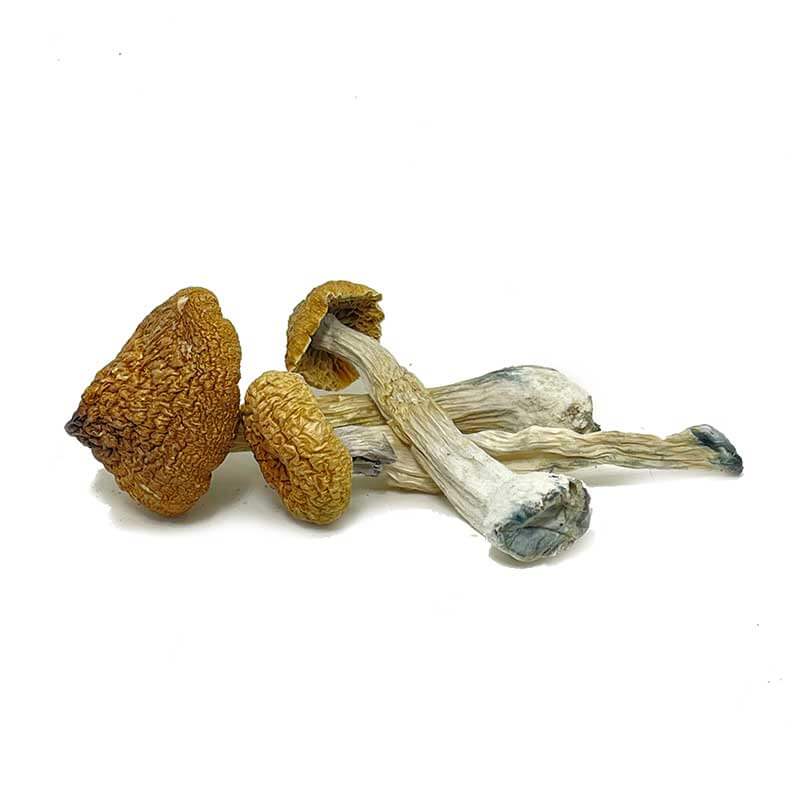
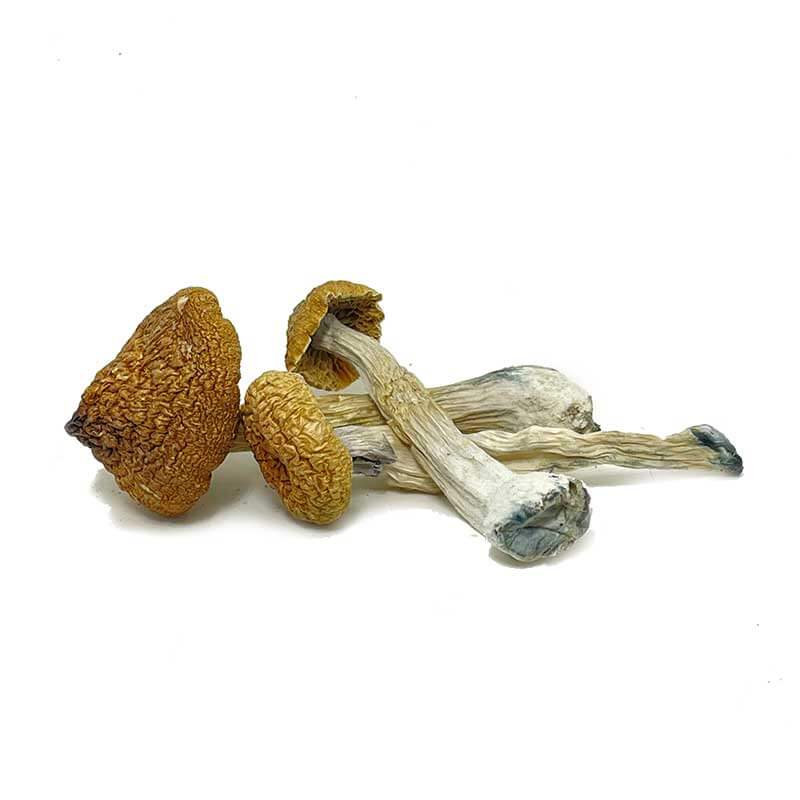
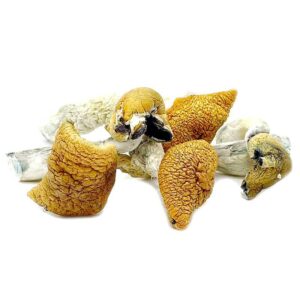
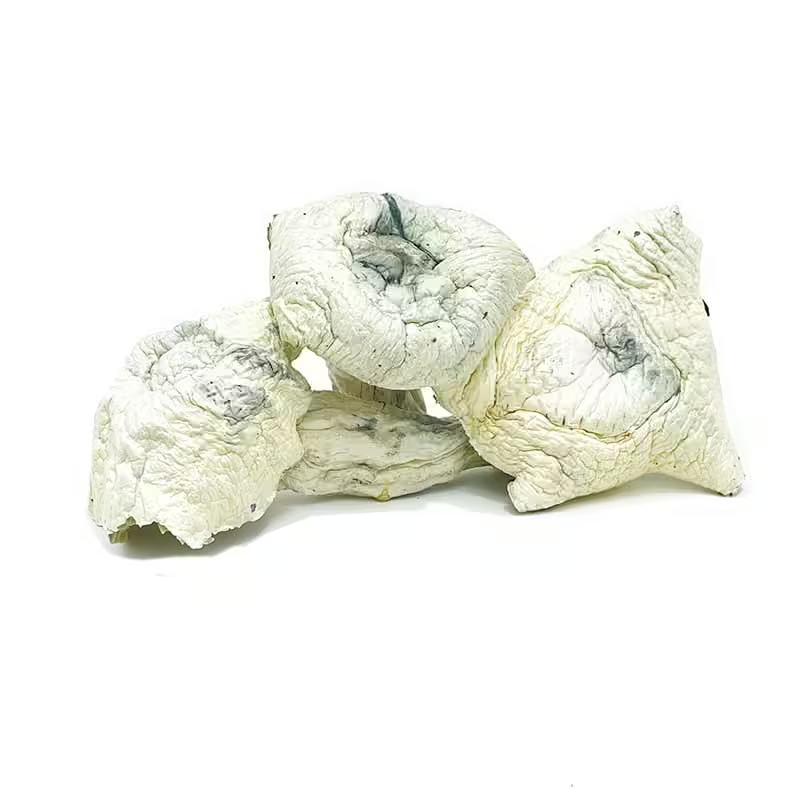
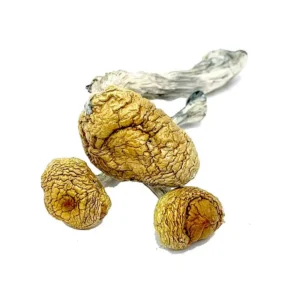
Costa Rica Mushrooms primarily refer to Psilocybe cubensis varieties isolated from the country’s Caribbean and Pacific lowlands. Discovered in cow pastures and grassy fields, these strains thrive in the humid, 25-32°C (77-90°F) climate. Caps measure 2-8 cm, starting hemispherical and expanding to convex with a subtle umbo. Colors range from golden-brown to caramel, hygrophanous (watery when wet), with white veils tearing early.
The stems are thick (1-2 cm), 5-15 cm tall, white to off-white, often contorting in dense clusters. A defining trait: moderate to strong bluing upon bruising, signaling psilocybin (0.6-1.8% dry weight) and psilocin content. Spore prints are deep purple-black. Microscopically, P. cubensis features lemon-shaped spores (11-17 x 7-11 microns) and large cheilocystidia.
Named for their discovery sites near Puerto Viejo or Arenal, Costa Rica Mushrooms are prized for fast colonization and high yields. Mycologists like Paul Stamets note their genetic vigor, adapting well to indoor grows worldwide.
Habitat and Distribution: Prime Spots for Costa Rica Mushrooms
Costa Rica’s neotropical ecosystems – think cattle-grazed pastures, rice fields, and forest edges – are ideal for Costa Rica Mushrooms. They fruit post-rainy season (May-November), on dung-enriched soils from herbivores like cows and horses. Elevation: 0-800 meters, favoring red volcanic soils.
Sightings cluster in Limón Province, Guanacaste, and around Lake Arenal. iNaturalist data shows symbiotic ties to Cyperus grasses. Climate-driven: high humidity (80-95%) triggers pinning. For “Costa Rica Mushrooms habitat,” note they’re pantropical, with similar strains in Hawaii and Southeast Asia, but Costa Rican isolates excel in heat tolerance.
Conservation-wise, deforestation threatens wild patches, emphasizing sustainable cultivation.
Identification Guide: How to Spot Costa Rica Mushrooms
Mastering identification ensures safe exploration. Key features for “Costa Rica Mushrooms identification”:
- Cap: 2-8 cm, smooth, golden-brown, undulating margins.
- Gills: Close, adnate, whitish maturing purple-black.
- Stem: Robust, fibrous, blue-bruising base.
- Bruising: Vibrant blue-green on handling.
- Odor: Mild, mushroomy; spore print test confirms.
Differentiate from Panaeolus cyanescens (thinner stems, black spores) or toxic Amanita (white spores). Use 100x microscopy for basidiospores. Field guides like Psilocybin Mushrooms of the World are essential. Apps like MycoKey aid verification.
Potential Health and Therapeutic Benefits of Costa Rica Mushrooms
Costa Rica Mushrooms’ psilocybin profile supports emerging research. Studies from Imperial College London (2022) link psilocybin to reduced depression via 5-HT2A receptor activation, promoting brain connectivity. Users report euphoria, visuals, and introspection – ideal for “Costa Rica Mushrooms effects.”
Microdosing (0.1-0.3g dried) anecdotes suggest enhanced creativity and mood, backed by Fadiman’s protocols. A Nature Medicine trial showed 80% remission in treatment-resistant depression. Traditional uses by indigenous groups like the Bribri echo these, using fungi in shamanic rituals for healing.
Nutritionally, they offer ergothioneine antioxidants. For “Costa Rica Mushrooms benefits,” research ongoing for cluster headaches and addiction.
Cultivation Mastery: Growing Costa Rica Mushrooms at Home
Costa Rica strains shine in cultivation, suiting beginners with “how to grow Costa Rica Mushrooms” searches.
Essential Supplies:
- Spore syringe/print
- Jars, grain (rye/millet), coco coir
- Incubator, fruiting chamber
- pH meter (5.5-6.5 ideal)
Uncle Ben’s Tek (Simple):
- Grain Prep: Soak grains 12-24 hours, simmer, drain, PC 90 min.
- Inoculation: 1-2cc per pint jar, 28-30°C dark incubation (10-14 days colonization).
- Spawn to Bulk: Mix 1:4 with pasteurized coir/verm. Monotub at 75-80°F, 90% RH.
- Fruiting: Mist/fan, 12/12 light. Harvest at veil break (3-7g wet/flush).
- Yields: 20-40g dry per tub over 3-4 flushes.
They colonize 20% faster than average cubensis. Troubleshoot: overlay with casing layer for even pins. Genetics yield fat fruits with potent veils.
Safety Protocols and Risks with Costa Rica Mushrooms
Potency demands caution. Effects last 4-6 hours: nausea onset, peak visuals at 2-3 hours. Risks: psychological distress, interactions with SSRIs. Avoid if pregnant or mentally ill.
Harm reduction: set/setting, lemon tek for faster onset. Legally, psilocybin is controlled, but spores are legal in many places for microscopy.
For “Costa Rica Mushrooms risks,” test for contaminants; wild foraging risks mis-ID.
Ecological Importance and Conservation in Costa Rica
Costa Rica aid decomposition in agroecosystems, enhancing soil health. They support insect larvae and nutrient cycles. Amid biodiversity loss, projects like INBio catalog them. Ethical cultivation preserves wild stocks.
Conclusion: The Tropical Allure of Costa Rica
Costa Rica blend beauty, potency, and cultivability, inviting exploration of fungi’s wonders. From rainforests to your grow tent, they offer insights into mind and nature. Search no more – cultivate knowledge responsibly.
Taylor C. –
Very quick delivery and extremely well packaged
Robert G. –
Will 100% be buying from them again.
Frank K. –
Absolutely sterling service.I will definitely be back.
Frank Bona –
Absolutely flawless service from start to finish
Robert D. –
A very happy experience