
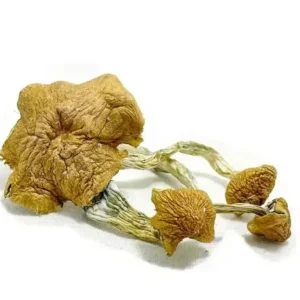
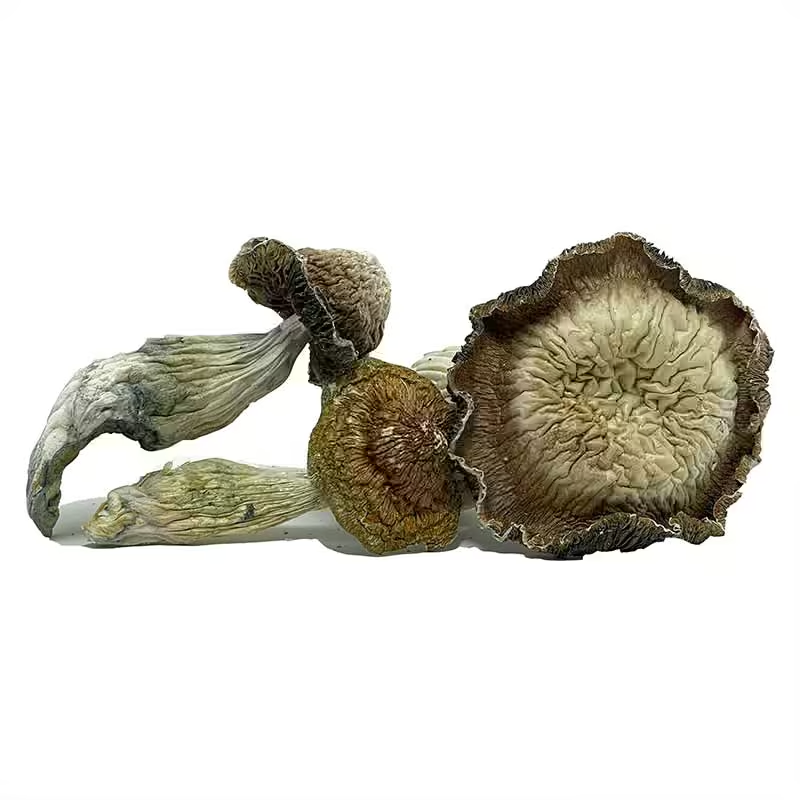
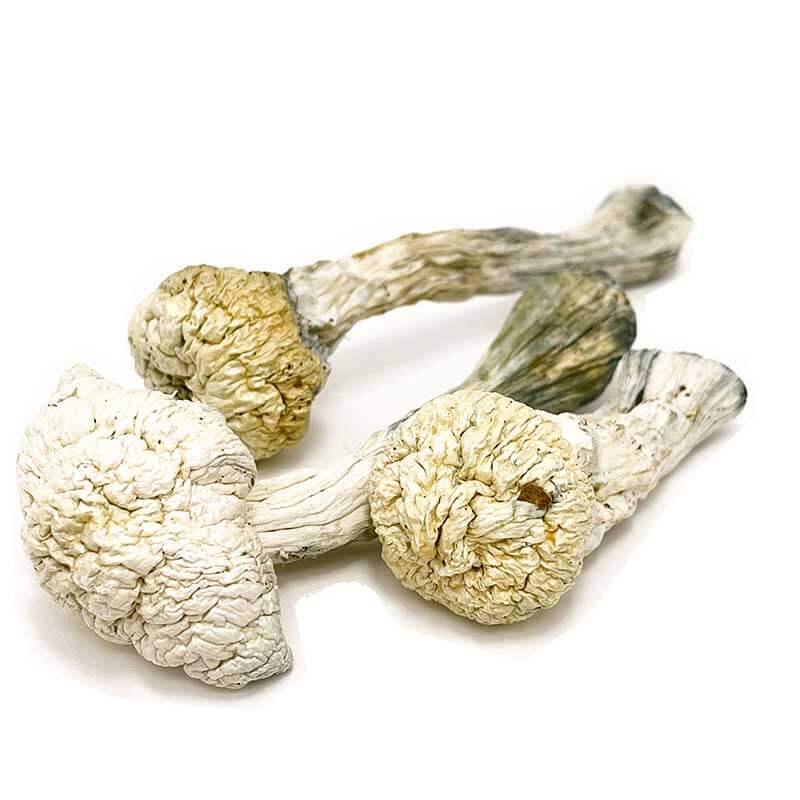
Psychedelic mushrooms often referred to as “magic mushrooms” have been used for centuries in spiritual, ceremonial, and personal exploration contexts. In recent years, public interest has grown significantly due to ongoing scientific research into psilocybin’s potential therapeutic applications.
One of the most common questions people ask is:
How long do psychedelic mushrooms stay in your system?
The answer isn’t as simple as a single number. It depends on multiple factors, including dosage, metabolism, body composition, frequency of use, and the type of drug testing involved.
In this in-depth guide, we’ll explore:
- How psilocybin is processed in the body
- How long effects typically last
- Detection windows in blood, urine, saliva, and hair
- Factors that influence how long mushrooms remain in your system
- Important safety considerations
Understanding Psilocybin and Psilocin
The primary active compound in psychedelic mushrooms is psilocybin. When consumed, psilocybin is rapidly converted by the body into psilocin, which is the compound responsible for the psychoactive effects.
Psilocin interacts primarily with serotonin receptors in the brain particularly the 5-HT2A receptor leading to altered perception, changes in mood, shifts in cognition, and sensory distortion.
Unlike many substances that linger in fatty tissues for long periods, psilocybin and psilocin are processed and eliminated relatively quickly.
How Long Do the Effects Last?
Before discussing how long mushrooms stay in your system, it’s important to distinguish between:
- Duration of effects
- Time detectable in the body
These are not the same.
Typical Timeline of Effects
After ingestion, the general timeline looks like this:
- Onset: 20–60 minutes
- Peak effects: 2–4 hours
- Total experience: 4–6 hours
- After-effects: Up to 24 hours (mild residual mood or cognitive shifts)
Most people feel largely “back to baseline” within 6 to 8 hours, though subtle after-effects may persist temporarily.
How Long Do Psychedelic Mushrooms Stay in Your Body?
General Elimination Timeline
Psilocybin is rapidly metabolized. In most cases:
- Psilocin has a half-life of approximately 2 to 3 hours
- The majority of the compound is eliminated within 24 hours
- Most metabolites are cleared within 24–48 hours
This means that for most healthy individuals, psychedelic mushrooms are largely out of the system within one to two days.
However, detectability depends on the type of drug test.
Detection Windows by Test Type
1. Urine Tests
Urine testing is the most common method for drug screening. However, standard drug panels typically do not test for psilocybin or psilocin.
If a specialized test is used, psilocin may be detectable in urine for:
- Up to 24 hours after use
- In some cases, up to 48 hours
Detection beyond this window is rare.
2. Blood Tests
Blood tests detect substances for shorter periods because they measure active compounds circulating in the bloodstream.
Psilocin may be detectable in blood for:
- Approximately 6–12 hours
- Occasionally up to 24 hours depending on dosage
Because of the short half-life, blood detection is limited.
3. Saliva Tests
Saliva testing for psilocybin is uncommon and not widely standardized.
If tested, psilocin might be detectable for:
- Around 6–12 hours
However, routine saliva panels typically do not include psilocybin.
4. Hair Tests
Hair testing can theoretically detect substances for up to 90 days, but psilocybin detection via hair testing is extremely rare and not commonly performed.
There is limited scientific data on consistent hair detection for psychedelic mushrooms.
Factors That Influence How Long Mushrooms Stay in Your System
No two bodies process substances exactly the same way. Several variables can influence elimination time:
1. Dosage
Higher doses result in:
- Greater psilocin concentration
- Slightly longer elimination times
That said, even higher doses are usually cleared within 48 hours.
2. Metabolism
People with faster metabolic rates tend to process substances more quickly.
Factors affecting metabolism include:
- Age
- Activity level
- Hormonal balance
- Overall health
3. Body Composition
Unlike THC, psilocybin is not fat-soluble in the same way cannabis is. This means body fat percentage has minimal impact on long-term storage.
Psilocin is water-soluble and eliminated primarily through urine.
4. Frequency of Use
Occasional users typically eliminate psilocybin quickly.
There is no strong evidence suggesting significant accumulation in the body with repeated use, but frequent use could potentially extend detection slightly due to repeated exposure.
5. Liver Function
The liver plays a central role in metabolizing psilocybin into psilocin and breaking it down further.
Individuals with impaired liver function may process substances more slowly.
Do Psychedelic Mushrooms Show Up on Standard Drug Tests?
This is one of the most commonly asked questions.
Most standard 5-panel or 10-panel drug tests screen for:
- THC
- Cocaine
- Opiates
- Amphetamines
- PCP
Psilocybin is not typically included in routine drug testing panels.
However, specialized laboratory tests can detect psilocin if specifically requested.
Short-Term vs Long-Term Presence in the Body
It’s helpful to think of psychedelic mushrooms in two phases:
Active Phase (0–6 Hours)
- Psychoactive effects are present
- Psilocin is actively interacting with brain receptors
Elimination Phase (6–48 Hours)
- Effects subside
- Metabolites are cleared through urine
- Blood levels decline rapidly
By 24 hours, most of the compound has been metabolized and excreted.
Psychological After-Effects vs Physical Presence
Even when the compound has left the bloodstream, some individuals report:
- Mild mood elevation
- Reflective thinking
- Increased emotional sensitivity
- Temporary fatigue
These are not signs the substance is still active in the body. Rather, they reflect the psychological processing that sometimes follows intense experiences.
How the Body Eliminates Psilocybin
The process happens in several steps:
- Ingestion
- Conversion of psilocybin into psilocin
- Psilocin enters bloodstream
- Liver metabolizes psilocin
- Metabolites are excreted primarily through urine
Most elimination occurs within the first 24 hours.
Is There a Way to “Speed Up” Elimination?
The body naturally metabolizes psilocybin efficiently. Because of its short half-life, it clears relatively quickly on its own.
There is no scientifically validated method that dramatically accelerates elimination beyond the body’s natural metabolic process.
Time remains the primary factor.
Comparing Psilocybin to Other Substances
Compared to other substances:
- Cannabis (THC) can remain detectable for days or weeks in frequent users
- Alcohol typically leaves the bloodstream within hours
- Psilocybin generally clears within 24–48 hours
In terms of detectability, mushrooms fall on the shorter end of the spectrum.
Important Safety Considerations
While psilocybin is being researched for therapeutic potential, it is not without risks. Factors to consider include:
- Mental health history
- Set and setting
- Dosage
- Interactions with medications
Individuals with a history of psychotic disorders or certain psychiatric conditions may be at higher risk for adverse reactions.
Always prioritize safety, informed decision-making, and awareness of local laws.
Legal Considerations
Laws surrounding psilocybin vary significantly by region. In some areas, possession remains illegal. In others, decriminalization or regulated medical use is emerging.
Understanding the legal status in your location is essential before making any decisions.
Summary: How Long Do Psychedelic Mushrooms Stay in Your System?
Here’s a clear breakdown:
- Effects last: 4–6 hours
- Blood detection: Up to 12–24 hours
- Urine detection: Typically up to 24 hours (rarely 48)
- Saliva detection: Up to 12 hours
- Hair detection: Rare and uncommon
For most healthy individuals, psychedelic mushrooms are largely eliminated from the body within one to two days.
Final Thoughts
The growing interest in psychedelic mushrooms has led many people to ask informed, practical questions about how they affect the body.
In terms of pharmacology, psilocybin is metabolized relatively quickly compared to many other substances. While the psychological experience may feel profound or long-lasting, the compound itself does not typically remain in the body for extended periods.
If you are considering psychedelic use for any reason whether curiosity, research, or personal exploration education and responsibility are essential.
Understanding how substances interact with your body empowers safer, more informed decisions.